Local City Websites
Find dedicated websites for your city's plumbing services.
Wide Coverage
All 94 cities across Washington State indexed in one place.
Easy to Use
Search or browse by region or city without friction.
Trusted Directory
Connecting you to local plumbing resources directly.
Need Help With a Plumbing Issue?
Find a local plumbing service in your city and get the help you need, fast. Connect with responsive professionals across 94 Washington communities.
(253) 201-3775Navigating Washington State's Diverse Plumbing Infrastructure
Washington State represents one of the most geographically and climatically diverse regions in North America. Spanning from the temperate maritime rainforests of the Olympic Peninsula to the sub-zero continental winters of the Spokane Valley and the arid agricultural plains of the Columbia Basin, plumbing requirements vary drastically from one municipal jurisdiction to the next. The statewide directory at washingtonplumbing.best exists to eliminate ambiguity for property owners, property managers, and commercial operators by providing an organized, centralized gateway to 94 city-specific plumbing websites.
Rather than offering a generic, one-size-fits-all statewide contact point that fails to recognize regional plumbing nuances, our directory connects visitors directly to dedicated destination subdomains. Each verified city website addresses the precise structural realities, code enforcement guidelines, and environmental challenges of its immediate municipal service area. Whether you are dealing with an unexpected water heater element failure in Bellingham, an aging cast iron sewer lateral collapse in historic Tacoma, or frozen water mains during an Eastern Washington cold snap, discovering the right local resource begins with verified municipal routing.
Regional Hydrology and Water Quality Impact on Plumbing Fixtures
Water quality throughout Washington State varies widely based on local aquifer geology and surface water collection reservoirs. In Puget Sound communities such as Seattle, Bellevue, Kirkland, and Shoreline, municipal water supplies drawn from protected Cascade watershed reservoirs (including the Cedar and Tolt river watersheds) are naturally soft and low in dissolved mineral content. While soft water reduces calcium scale inside water heater storage tanks, it presents a higher potential for acidic pipe corrosion if pH balances are not carefully managed, particularly in older homes equipped with original unlined galvanized steel piping.
Conversely, across Central and Eastern Washington—including communities such as Spokane, Spokane Valley, Moses Lake, Sunnyside, and Walla Walla—water supplies are largely drawn from deep underground basalt aquifers and alluvial river gravels. These groundwater sources contain significant concentrations of dissolved calcium and magnesium carbonates. In these eastern regions, water heaters without regular annual flushes can accumulate heavy layers of rock-hard mineral scale on electric heating elements and tank floors within 24 to 36 months. This buildup leads to lower thermal efficiency, loud rumbling popping noises during heating cycles, and premature bottom-tank tank rupture. By navigating to your specific city's subdomain, homeowners gain direct access to insights tailored to their local water profile.
Why City-Specific Subdomains Matter
Municipal plumbing requirements in Washington are governed by both the Washington State Plumbing Code (WAC 51-56) and local municipal amendments. Building setback guidelines, seismic water heater strapping mandates, backflow prevention ordinances, and side sewer repair permitting protocols differ between jurisdictions like King County, Spokane County, and Clark County. Explore our 7 Geographic Regions Guide to see how municipal policies vary by territory.
Earthquake Safety and Seismic Restraint Regulations
Much of Western Washington—including the densely populated I-5 corridor from Bellingham down through Everett, Seattle, Tacoma, Olympia, and Vancouver—lies within the Cascadia Subduction Zone, an active seismic fault capable of generating major tectonic events. Under the Washington State Residential Code and local city amendments, all storage-type water heaters installed or replaced in Washington must be securely strapped and anchored with heavy-gauge seismic restraint kits fastened to solid structural wall framing.
During a seismic event, an unsecured 50-gallon water heater weighing over 450 pounds can topple, snapping rigid copper water supply lines and severing natural gas fuel connectors. Beyond the immediate threat of fire and structural water flooding, a secured water heater often serves as a family’s primary emergency reservoir of clean drinking water in the aftermath of a catastrophic earthquake. Our city destination websites—such as Seattle Plumbing, Tacoma Plumbing, and Everett Plumbing—emphasize compliant seismic installations, flexible gas connector retrofits, and automatic thermal expansion controls designed to preserve structural safety.
Sub-Zero Winter Freezes vs. Coastal Marine Moisture
Winter temperature extremes create distinct failure points across the Cascade Mountain divide. In the Puget Sound lowlands and coastal towns like Aberdeen, Shelton, and Port Angeles, sustained sub-freezing temperatures are less frequent, but prolonged winter rainfall saturates soil, driving high groundwater tables that overwhelm residential basements and crawlspaces. Homeowners in these maritime communities require dedicated sump pump installations, battery-powered backup pumping systems, and exterior perimeter French drain cleanouts to prevent foundation flooding.
In contrast, cities situated in Eastern Washington, Kittitas County, and the Okanogan highlands—such as Ellensburg, Wenatchee, Cheney, Pullman, and Airway Heights—experience extended winter periods where temperatures dip well below zero degrees Fahrenheit. In these regions, uninsulated crawlspace piping, exterior hose bibbs lacking frost-free sillcocks, and shallow underground water service lines are prone to severe freeze ruptures. When frozen pipes thaw, high municipal water pressure causes catastrophic indoor bursts. The Washington Plumbing directory ensures property owners across both climate zones can quickly locate emergency repair and winterization resources suited to their region.
How to Use This Statewide Directory
Finding your local plumbing website through our statewide portal is designed to be straightforward and fast:
- Instant City Search: Use the live search bar at the top of the homepage or visit the Cities Directory to filter all 94 verified Washington cities instantly by typing the name of your town or county.
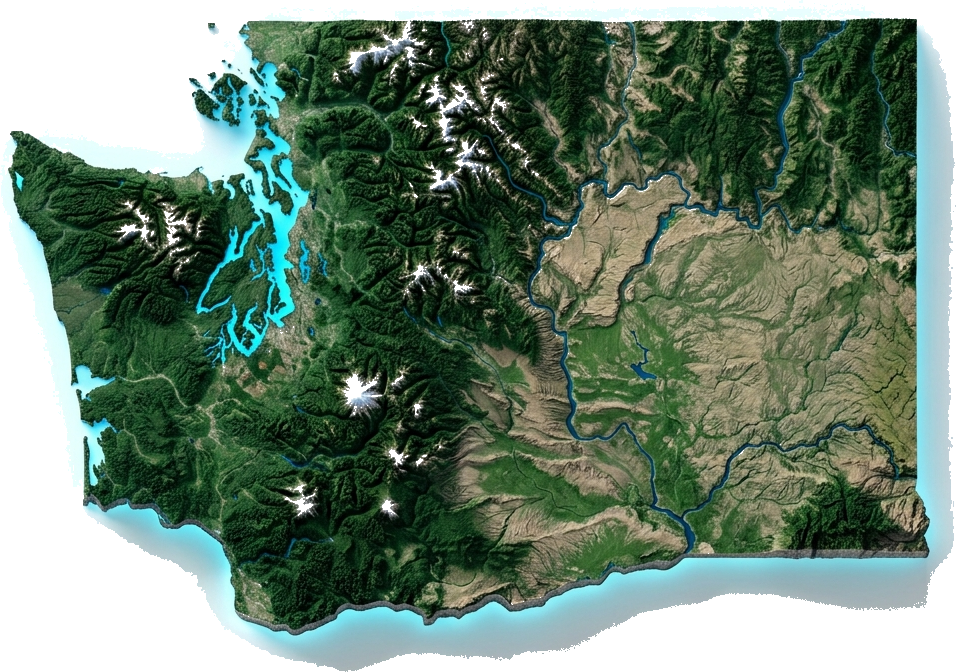
- Interactive Spatial Map: Explore our lightweight SVG map above to locate your municipal hub visually across Puget Sound, the Olympic Peninsula, Central Washington, and Eastern Washington.
- Regional Categorization: Visit the Regions Page to view all 94 cities organized into geographically logical clusters representing natural river valleys and economic service corridors.
- Direct Subdomain Connection: Each destination link connects you directly to the verified municipal subdomain (e.g. Spokane Plumbing or Tacoma Plumbing) where local phone dispatch, localized service menus, and community service areas are detailed.
For more background on how our directory functions and our operational guidelines, please review our About the Network page, or reach out to directory management via our Contact Page.