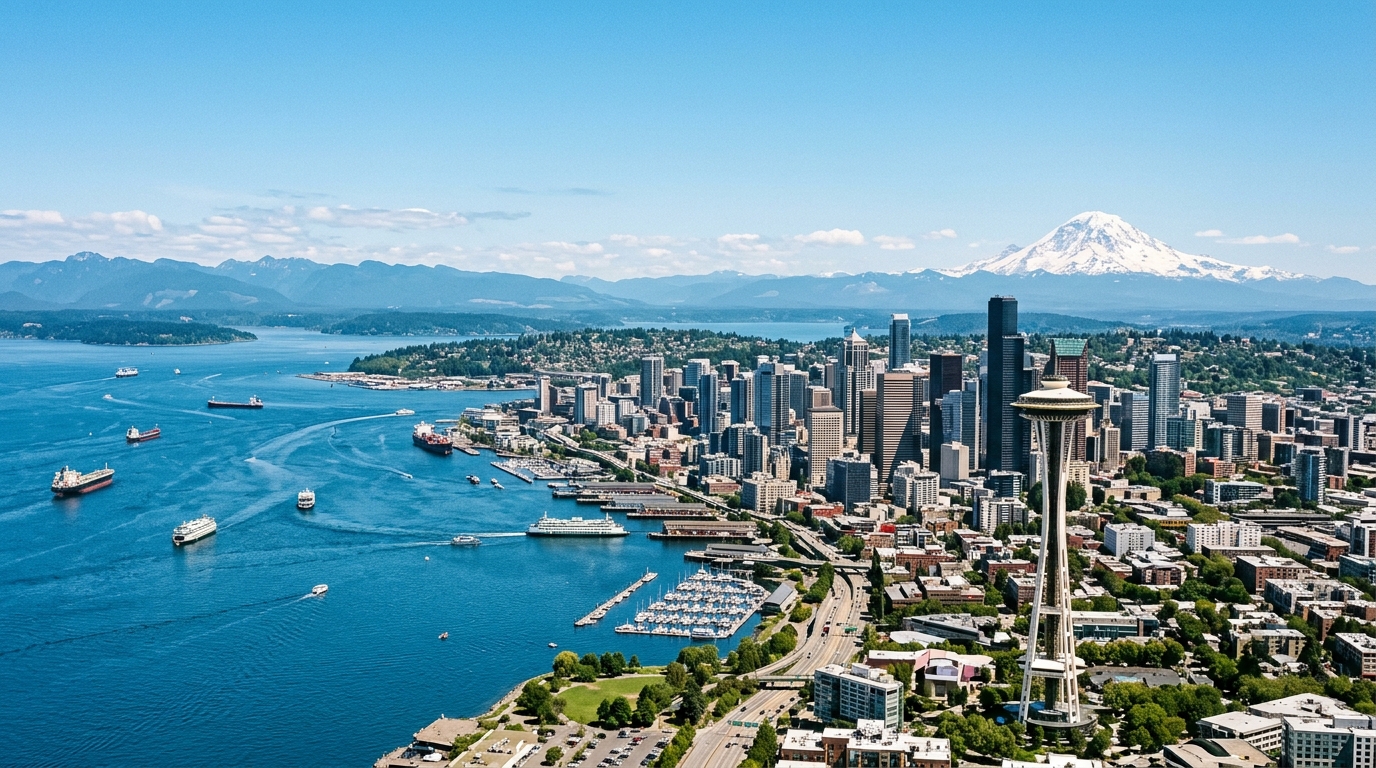
Western Washington
24 cities
From Seattle to Olympia, find plumbing services in Western Washington's major cities and communities. Soft mountain water and vintage home infrastructure.
View Cities →Find cities and plumbing resources in your area. Choose a region below to discover local cities and connect with plumbing services.
From Seattle to Olympia, find plumbing services in Western Washington's major cities and communities. Soft mountain water and vintage home infrastructure.
View Cities →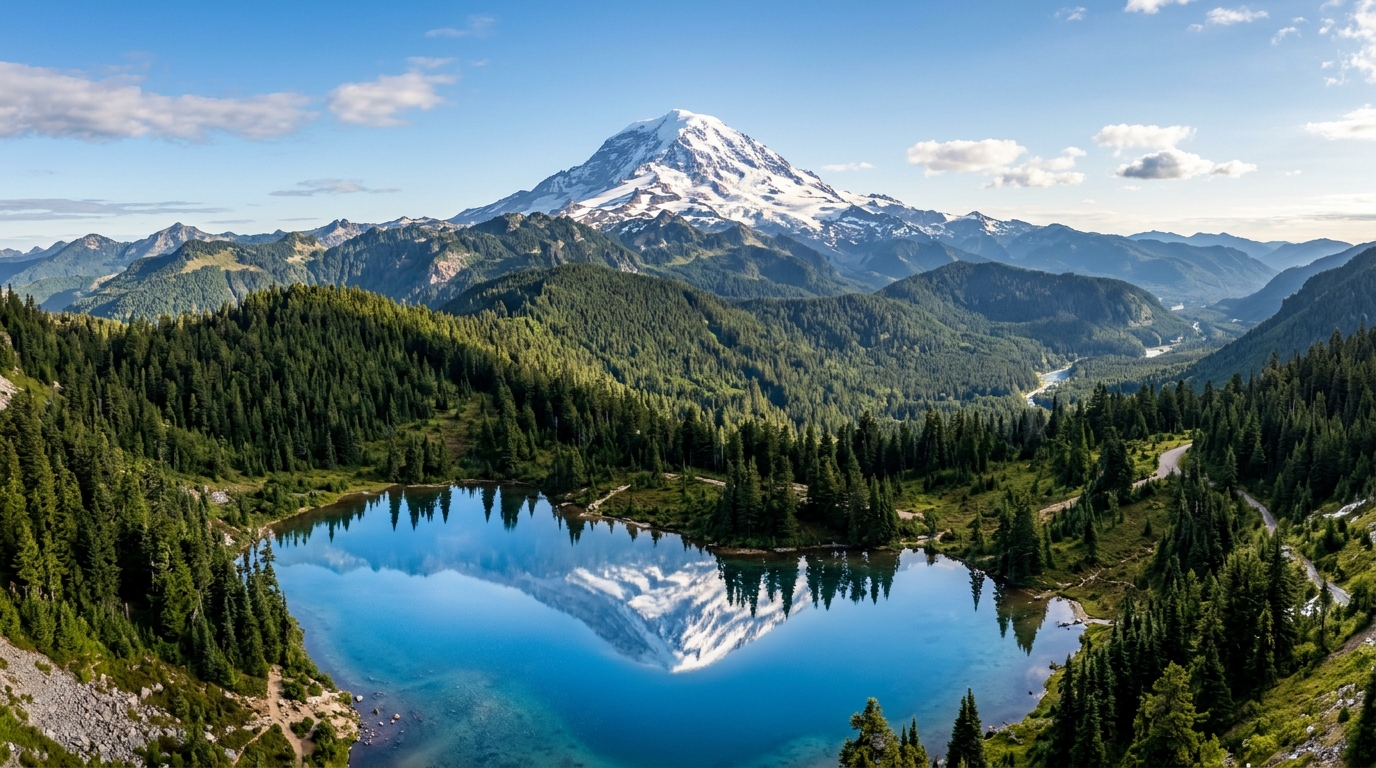
Discover local plumbing services in Eastern Washington, including Spokane, Tri-Cities, and surrounding areas. Winter freeze defenses and mineral water care.
View Cities →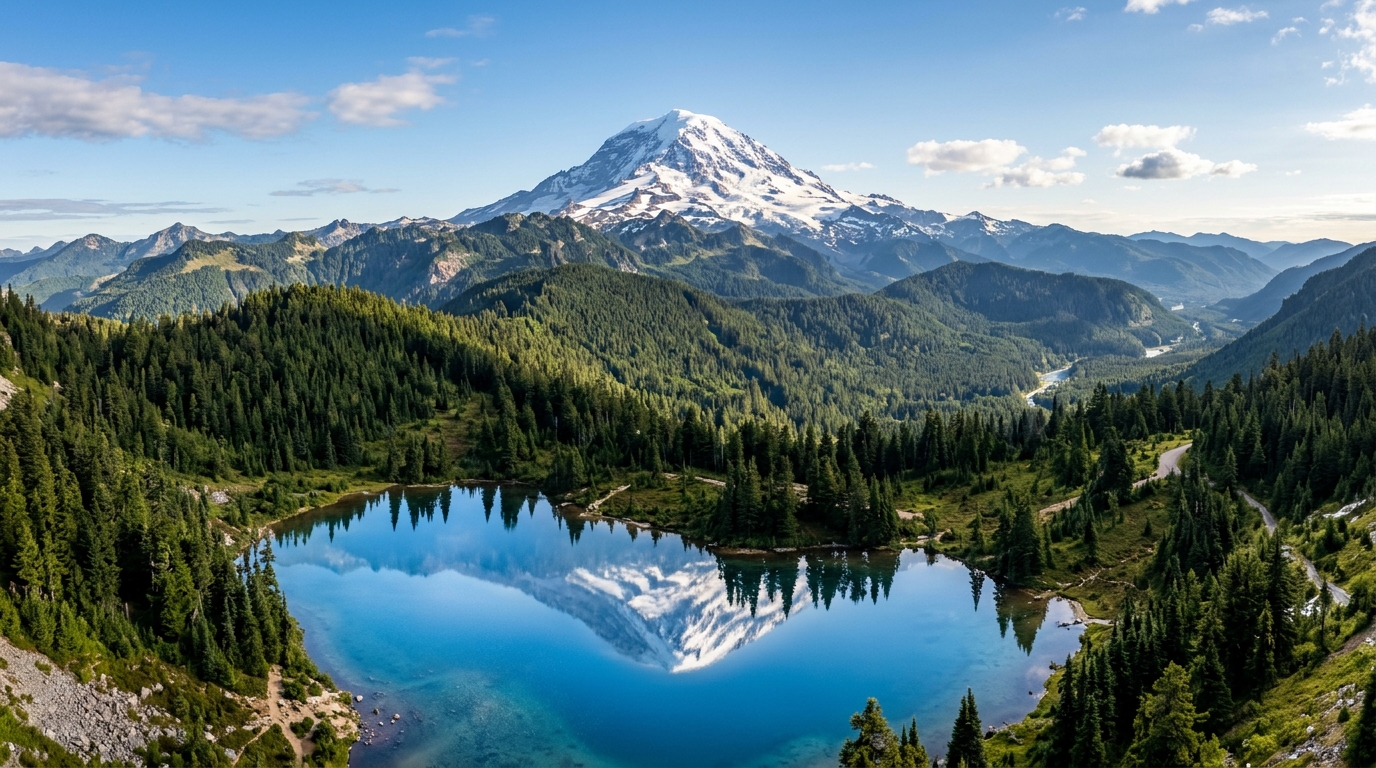
Explore cities around the Puget Sound, from Tacoma to Everett and beyond. Comprehensive municipal sewer support and water heater installations.
View Cities →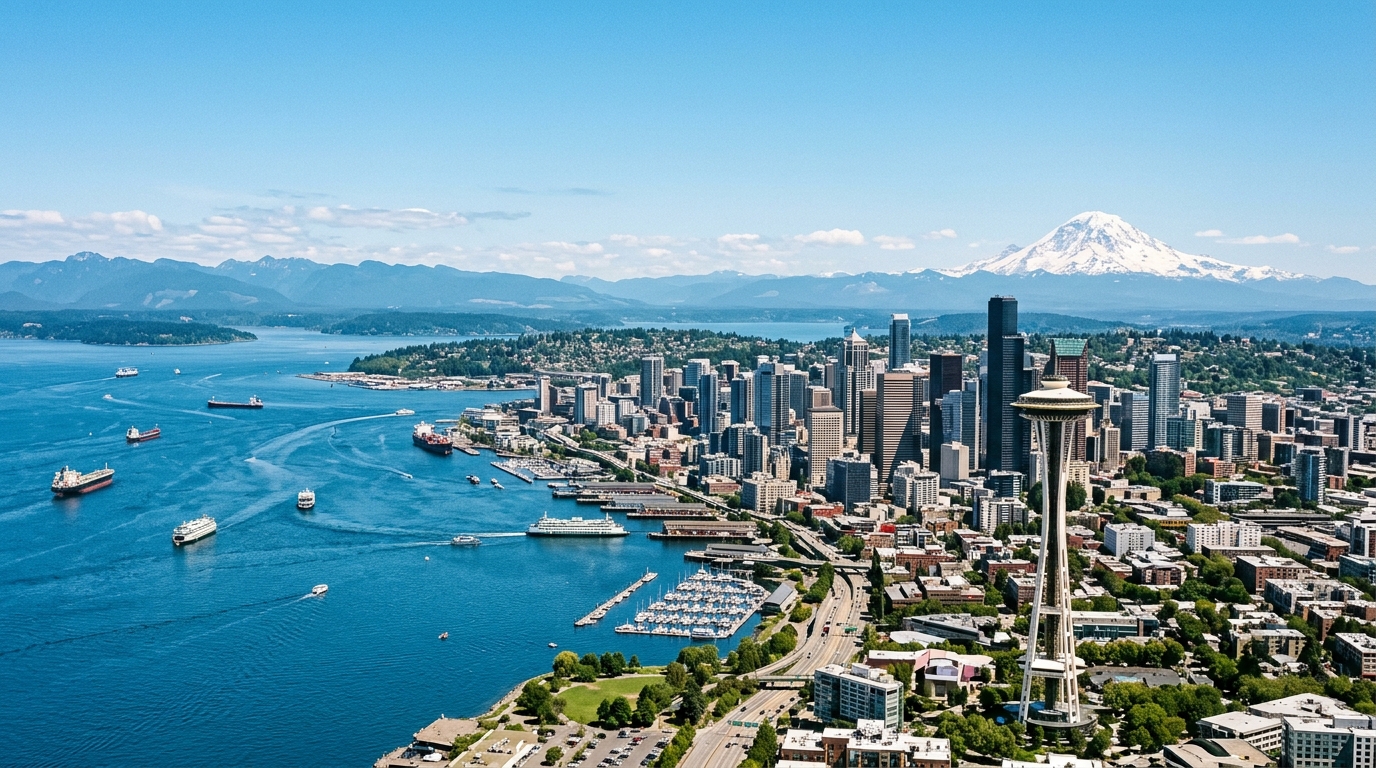
Find trusted plumbing services in Southwest Washington, including Vancouver and nearby areas. High-efficiency heat pump systems and backflow prevention.
View Cities →
Coastal plumbing services spanning Kitsap, Clallam, and Grays Harbor. Salt air corrosion protection, crawlspace moisture control, and sump pumps.
View Cities →Use our city directory to search all 94 locations across Washington State.
Browse All Cities →Get fast access to local plumbing services for your home or property in any of Washington's 94 cities.
Few states exhibit the stark climatic contrast found in Washington. The Cascade Mountain Range acts as an immense orographic barrier, intercepting moist Pacific storm systems and creating a rain-shadow effect that fundamentally divides the state’s hydrology. Understanding how this divide impacts residential and commercial plumbing systems allows property owners to anticipate seasonal risks, select appropriate water heating technologies, and adhere to local code standards.
In coastal and Puget Sound lowland regions—such as Grays Harbor, Kitsap, Pierce, and Snohomish counties—annual rainfall can exceed 40 to 90 inches. During prolonged atmospheric river storms between October and March, soil saturation reaches capacity. As groundwater levels rise, hydrostatic pressure exerts relentless upward force against basement foundations, daylight basement slabs, and crawlspaces.
In these maritime jurisdictions, perimeter curtain drains and subterranean sump pump installations are critical infrastructure components. A failed primary sump pump during an atmospheric river can flood finished basements within hours, destroying water heaters, furnaces, and finished living spaces. Consequently, local plumbing guidance on our Western Washington destination sites frequently emphasizes dual-pump redundant systems equipped with battery backup power and water-powered backup alarms.
East of the Cascade Mountains, plumbing systems face the opposite environmental extreme: sustained continental cold. In Spokane, Pullman, and Cheney, winter temperatures regularly dip below zero degrees Fahrenheit for days or weeks at a time. The ground freezes to depths of 24 to 36 inches, requiring underground water service lines and private well piping to be trenched below the municipal frost penetration line.
In homes with poorly insulated crawlspaces, exterior foundation vents, or perimeter plumbing walls, uncirculated water within pipes can freeze, expanding by roughly 9% and generating hydraulic pressures exceeding 2,000 PSI. This hydraulic force easily splits rigid copper pipe walls and shatters plastic fittings. When ambient temperatures rise and frozen plugs thaw, the ruptured lines flood the structure. The Eastern Washington destination sites in our directory provide localized checklists on crawlspace winterization, foam pipe insulation, heat cable application, and frost-proof sillcock maintenance.
Under the Washington State Energy Code (WSEC-R), replacement and new installations of residential water heating equipment are subject to stringent efficiency minimums. In many jurisdictions, traditional electric-resistance water heaters are being phased out in favor of hybrid heat pump water heaters (HPWH), which extract ambient heat from surrounding air to heat water at up to 300% efficiency. Local utility rebates from providers like Puget Sound Energy (PSE), Seattle City Light, Avista, and Snohomish PUD are highlighted on our regional destination websites. Review our Network Transparency Overview to learn how municipal codes are addressed.
The Pacific Northwest seismic risk is an everyday consideration for residential builders and homeowners throughout the Puget Sound basin. All storage tank water heaters installed across Washington require rigid strapping with certified brackets anchored into wall framing studs to prevent rupture during tremors. In addition, Washington State Department of Health cross-connection control regulations mandate approved backflow preventer assemblies on underground irrigation systems and commercial connections, protecting public drinking water supplies from contamination.